
When I first downloaded a free puzzle game, I thought it would only take a few minutes. In reality, the app kept me playing for 45 minutes, and I didn’t notice the 60‑second pop‑ups asking for a “premium” upgrade. The cost of that time is two things: the money spent on in‑app purchases and the hours that could have been used for something else.
How fast are people switching from TV to mobile?
A recent survey from the UK Digital Skills Institute found that 68 % of adults now start their evening with a mobile game rather than a television show. The average switch happens within the first 10 minutes after dinner. That shift is not just a trend; it’s changing how people schedule their nights.
What kinds of games are driving the shift?
- Casual match‑three titles that reward you every 30 seconds.
- Competitive battle‑royales that let you log in and play a 5‑minute round.
- Idle simulators that auto‑grow while you’re on the bus.
These games require minimal commitment, yet they keep users hooked through short, repetitive loops. The result is a steady stream of micro‑transactions: a handful of coins for a new skin, a small bundle for extra lives.
How is this affecting other forms of entertainment?
Streaming services report a 12 % drop in average viewing time among 18‑ to 34‑year‑olds. Meanwhile, the mobile gaming market in the UK grew by 23 % in 2023, reaching £3.1 billion in revenue. The data suggests that people are reallocating their leisure budgets: fewer hours on shows, more on games.
Can the rise of mobile gaming be linked to online casino play?
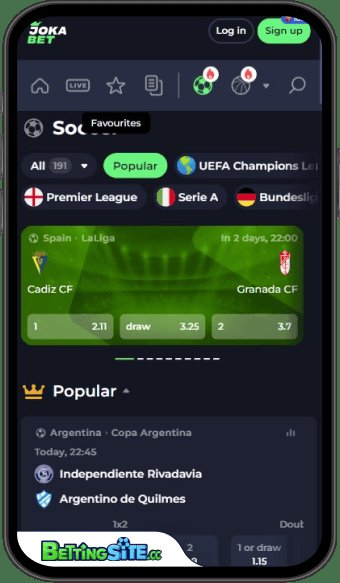
When you’re already comfortable with in‑app purchases and quick payouts, the transition to online casino platforms feels natural. If you’re curious about how that shift works, you might find it useful to check out https://jokabetcasino-gb.co.uk/log-in/ and see how mobile-friendly the experience is.
What are the downsides for families and workplaces?
Parents report that children are spending up to three hours a day on mobile games, which cuts into homework time. In offices, a recent HR survey showed a 15 % rise in employee complaints about “distraction during breaks.” These figures underline that while mobile gaming offers convenience, it can also erode productivity and family bonding.
How can people balance the lure of mobile games?
Setting a daily limit of 30 minutes on game time, using built‑in “screen‑time” controls, and choosing games that offer real-world rewards (like fitness challenges) can help. Some developers now provide “focus mode,” which blocks new notifications after a set period.
What does the future hold for UK entertainment?
Virtual reality is starting to blend with mobile interfaces, promising richer experiences that still fit into a pocket. Meanwhile, the rise of esports betting shows that mobile platforms are becoming hubs for both casual play and serious wagering. The key takeaway: the line between “fun” and “investment” is blurring, and the UK’s entertainment landscape will keep adapting.
Frequently Asked Questions
How much can I actually spend in a 10‑minute gaming session?
On average, a 10‑minute session can trigger in‑app purchases ranging from $0.99 to $4.99, depending on the game’s design.
What hidden costs are associated with short mobile games?
Besides micro‑transactions, these games can drain battery life, consume data, and reduce productivity by diverting attention.
How can I prevent accidental purchases during short play?
Enable parental controls, disable auto‑pay, and set purchase limits to stop accidental spending.